













The Benefits of BOPP Lamination Film: Protecting and Enhancing Your Products
Biaxially oriented polypropylene (BOPP) lamination film is a popular material used in the packaging and printing industry. It is a versatile and cost-effective solution that offers a range of benefits for businesses and consumers alike. In this blog, we will explore the benefits of BOPP lamination film and how it can protect and enhance your products. Durability and Protection One of the primary benefits of BOPP lamination film is its ability to provide durability and protection to your products. It can protect against moisture, dust, and other environmental factors that can damage or compromise the quality of your products. BOPP lamination film is also resistant to tearing and punctures, providing an extra layer of protection during shipping and handling. Product Enhancement BOPP lamination film can also enhance the appearance and quality of your products. It can add a glossy or matte finish, as well as provide a smooth surface for printing or labeling. This can increase the aesthetic appeal of your products and help them stand out on the shelves. Versatility BOPP film lamination is a versatile material that can be used in a variety of applications. It can be used for food packaging, labels, book covers, and more. Its versatility makes it
Double-Sided Tape Dwell Time: When Can You Load the Bond?
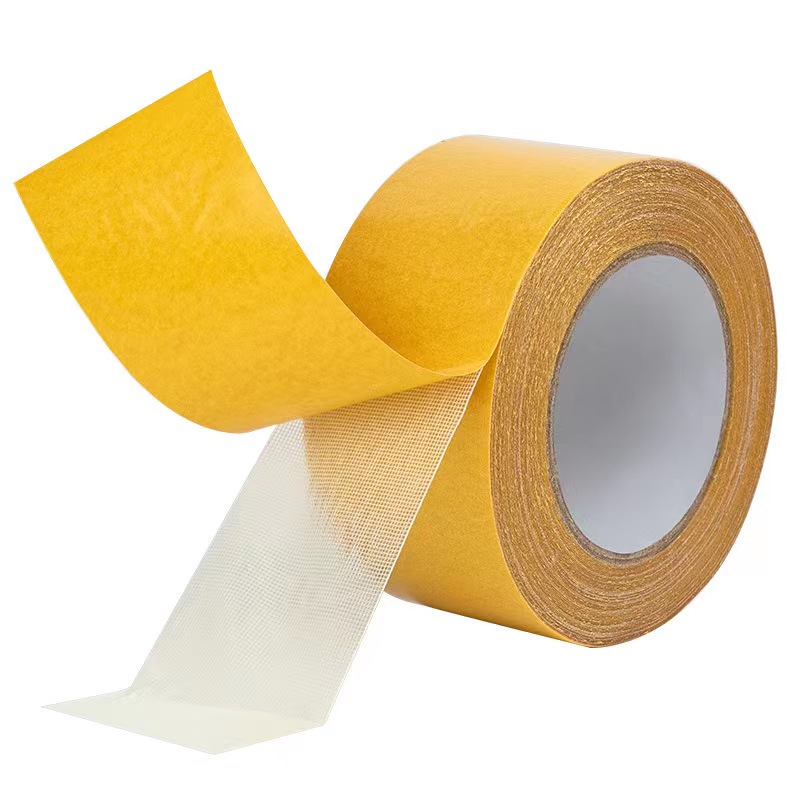
A sign letter feels secure when you press it onto the panel. Ten minutes later, someone lifts the panel onto a trolley. Is the bond ready for that? A day, perhaps three: that’s the sort of waiting allowance to consider for an acrylic mounting-tape job before you check the timing for the particular grade. We call this resting period double-sided tape dwell time. On the bench, that means leaving the support in place until you’ve checked a matching assembly under the conditions it will actually face. A quick tug with your fingers doesn’t settle it. How Long Does Acrylic Foam Tape Take to Set? That grab you feel on contact is initial tack. Useful, certainly. There is more surface for the adhesive to reach than you might think, even on a sheet that looks smooth. As it flows into those tiny irregularities, contact improves. That’s wet-out. The roller starts the process; putting it back on the shelf doesn’t end it. Time After Application Approximate Ultimate Bond Strength 20 minutes 50% 24 hours 90% 72 hours 100% Use this curve to understand why waiting matters. For your acrylic foam tape, build the work schedule around the grade’s own instructions and the
Automotive Masking Tape Removal: Protecting Fresh Car Paint
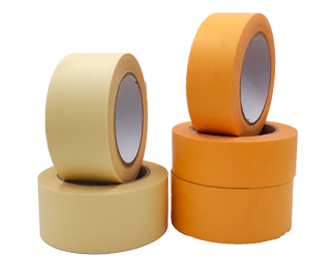
You’ve put the spray gun away. The door looks ready, until you pull the masking beside the handle and find a little triangle of color stuck to the adhesive. Now you’re looking at another repair. For automotive masking tape removal, the paint instructions are where we’d start. Find the unmasking stage for the coating you’ve used. When you reach it, try a short length slowly. The paint should stay put. If it moves with the tape, leave the rest alone while you find out why. Even suitable masking paper tape can expose a problem in the finish beneath it. When Is Car Paint Ready for Tape Removal? “Dry” needs a bit more detail. Do you mean dry enough to handle, ready for another masking operation or fully cured? Those aren’t necessarily the same point in the job. Check the paint system’s instructions for the actual job. Air drying and a forced bake don’t create interchangeable removal windows. Neither does changing the hardener while keeping yesterday’s schedule. Think about what happens where the spray reaches the tape. Paint can join the panel to the masking in one continuous film. You want that join to part cleanly. Too wet and you can disturb
How to Choose Automotive Butyl Tape for Door Membrane Sealing
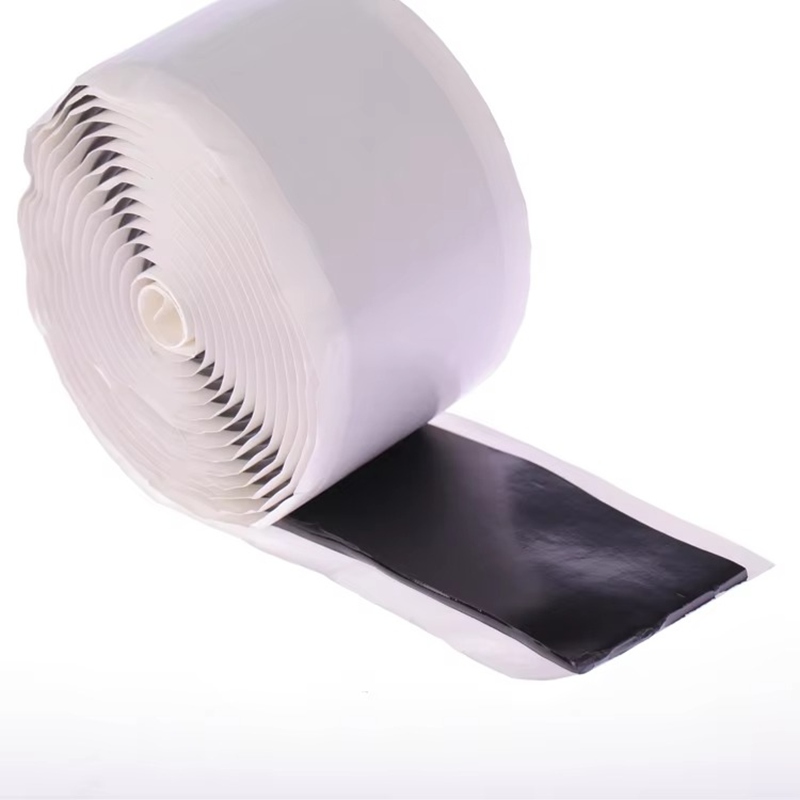
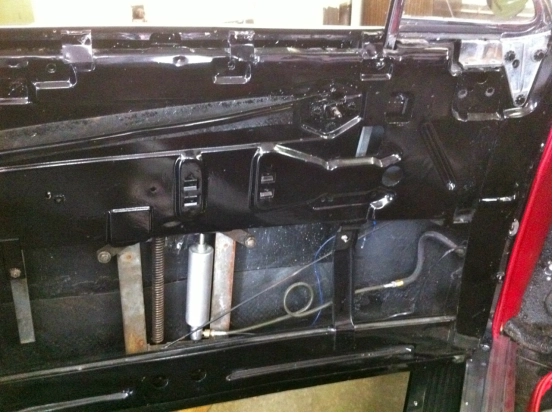
For a door membrane, the tape must keep water out while the panel flexes, the vehicle vibrates, and technicians may need service access. Automotive butyl tape for door membrane sealing is a strong candidate when the joint needs a continuous, non-hardening, flexible seal. Final selection depends on flange geometry, substrates, compression, temperature, and the leak-test method. What Makes Automotive Butyl Tape Suitable for Door Membranes? A door membrane separates the wet side of the door from the trim and cabin side. Its seal must accommodate small movements while maintaining contact with both surfaces. Non-hardening butyl can conform along a continuous flange and support service removal. The membrane seal controls water passage; clips, fasteners, or a separately designed bond carry trim and hardware loads. Our automotive butyl tape uses black, non-hardening butyl rubber for flexible, water-resistant sealing. Confirm adhesion on the production panel finish and membrane film as a pair. What Should Automotive Butyl Tape Do in a Door? Start with the joint loads rather than a nominal tack value. A door sealant normally has to manage: Flexibility, cohesive behavior, wet-out, and rework therefore matter alongside initial adhesion. Aggressive grip cannot compensate for poor corner conformity, while an overly soft bead may squeeze